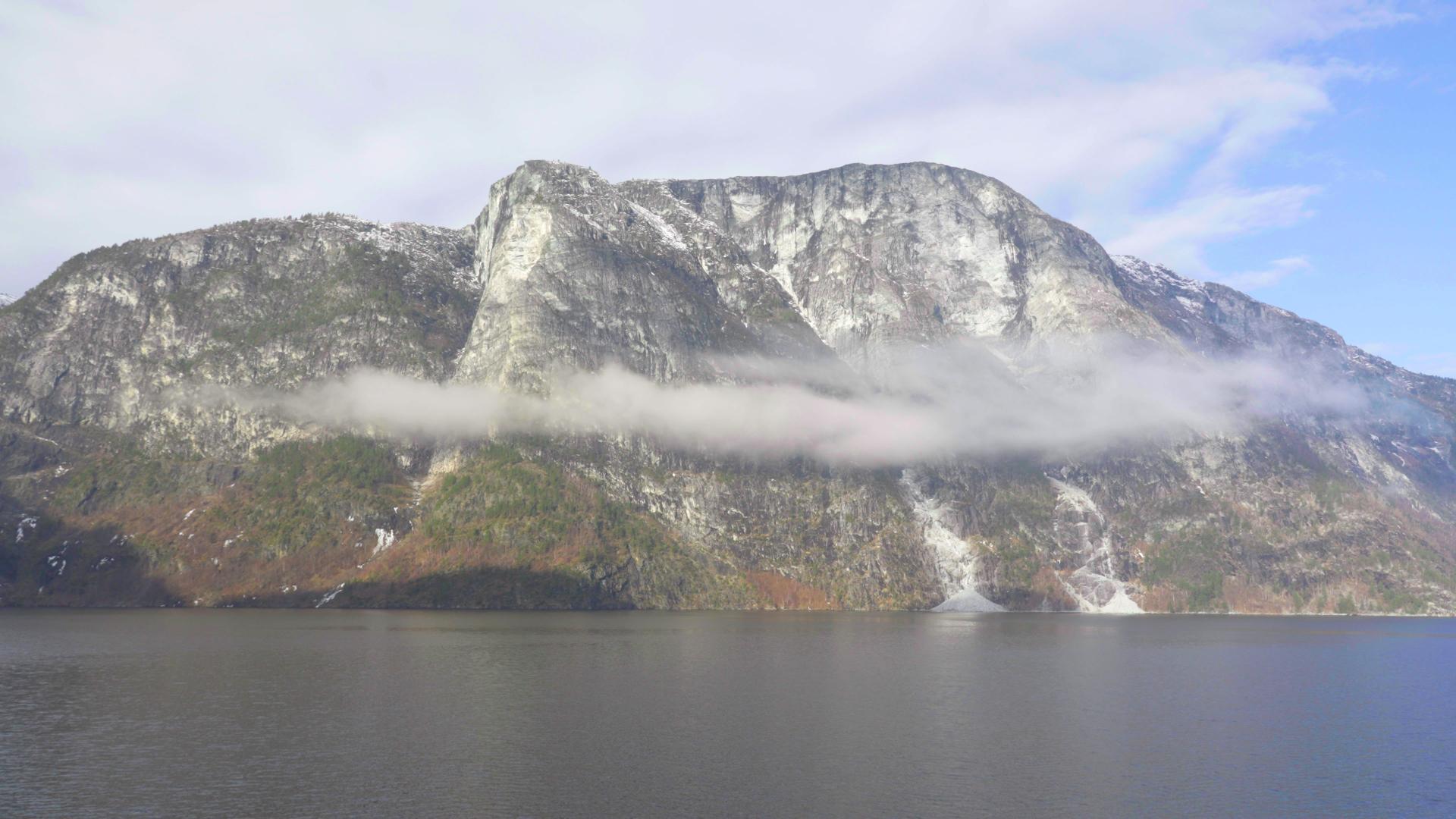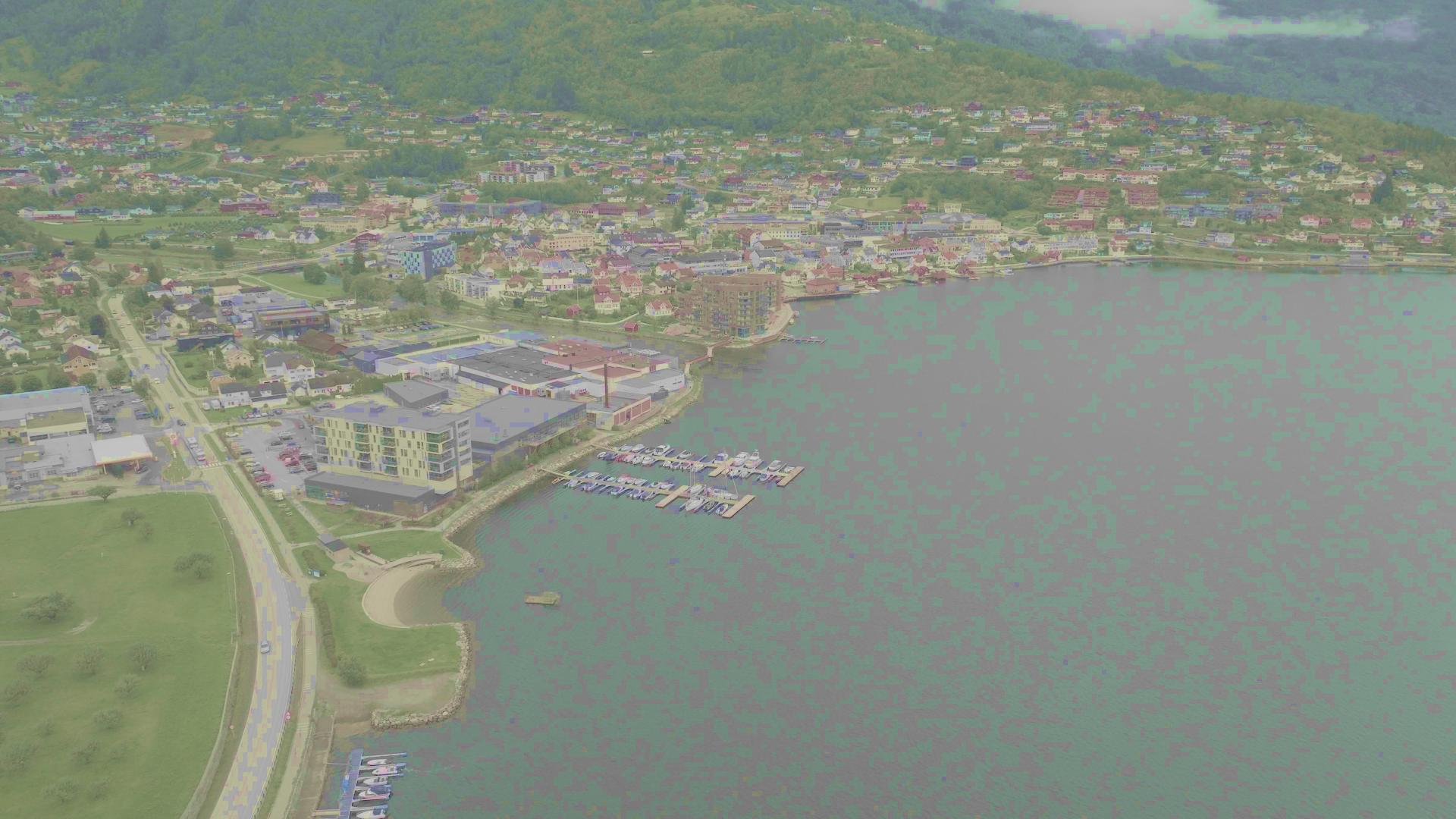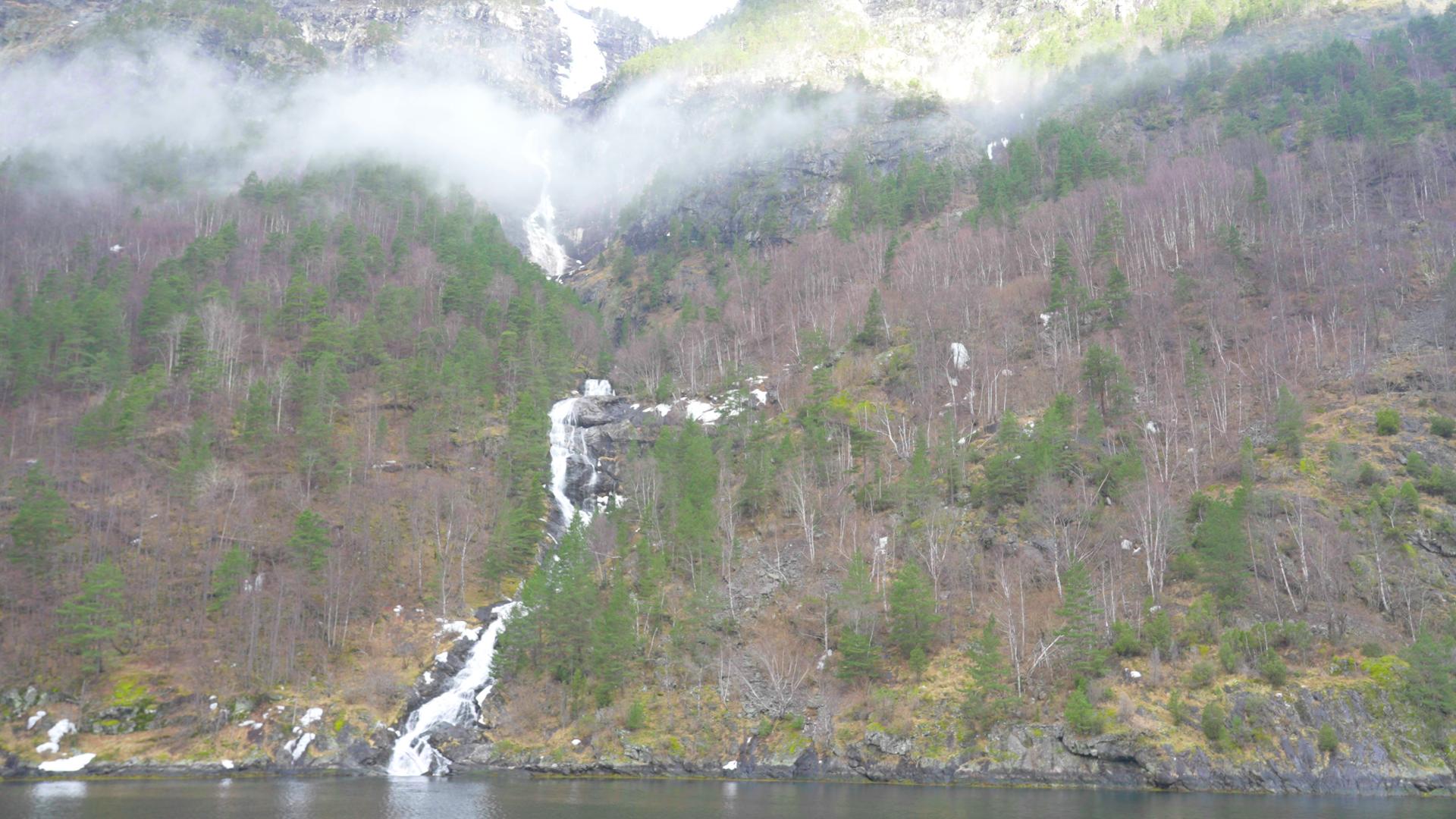
On the south shore of the Sognefjord, between Revsnes and the entrance to the Aurlandsfjord, is a place with no road. Frønningen has about 15 permanent residents and 65 square kilometres of land. It is the largest privately owned forest estate in western Norway, and it has belonged to just two families for the past 400 years.
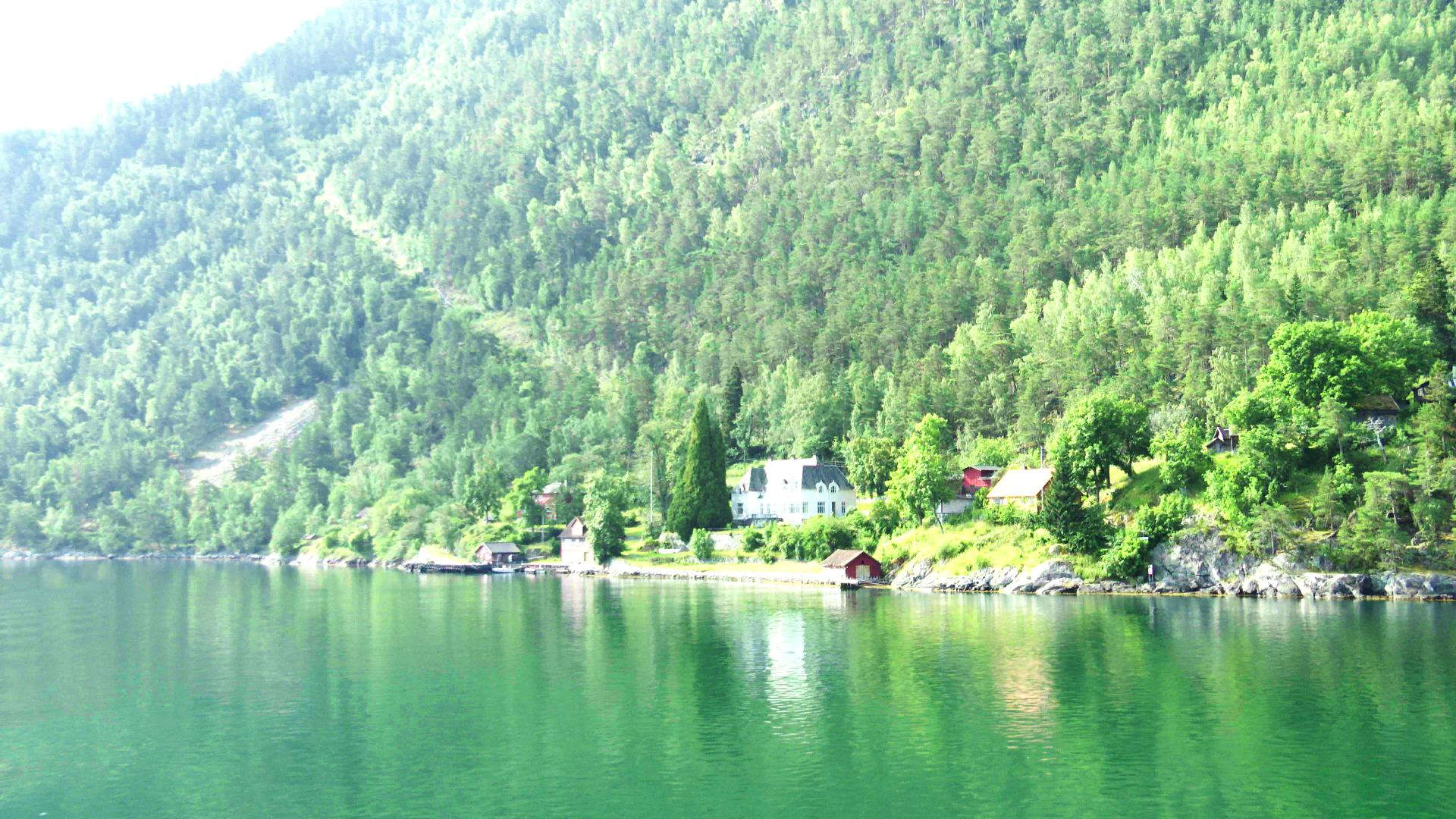
The Lem family bought the property in the 1620s. They were connected to the powerful Inger fra Austråt, one of the most influential women in 16th century Norway. The Lems ran sawmills here during the Dutch timber boom, processing pine from the enormous forest and sliding it down a timber chute from the 500-metre plateau to the fjord. At one point, six gate saws were running simultaneously. When the last Lem died without heirs, Jan Clausson Rumohr from Lærdal married into the family and took over. The Rumohr family still owns the estate today. Their manor house is visible from the fjord.
The history goes much deeper. A stone axe with a drilled handle hole was found here, dating to the late Stone Age or early Bronze Age, when farming first arrived. The oldest settlement is not down by the fjord but up on a plateau called Flata, 400 to 500 metres above the water, originally called Lagmannsås, named after a royal judge appointed by King Sverre. Three medieval farms existed here before the Black Death emptied them.
During the final weeks of World War II, the resistance group Siskin hid at Frønningen with its weapons arsenal. The isolation that made life difficult also made it a perfect hiding place.
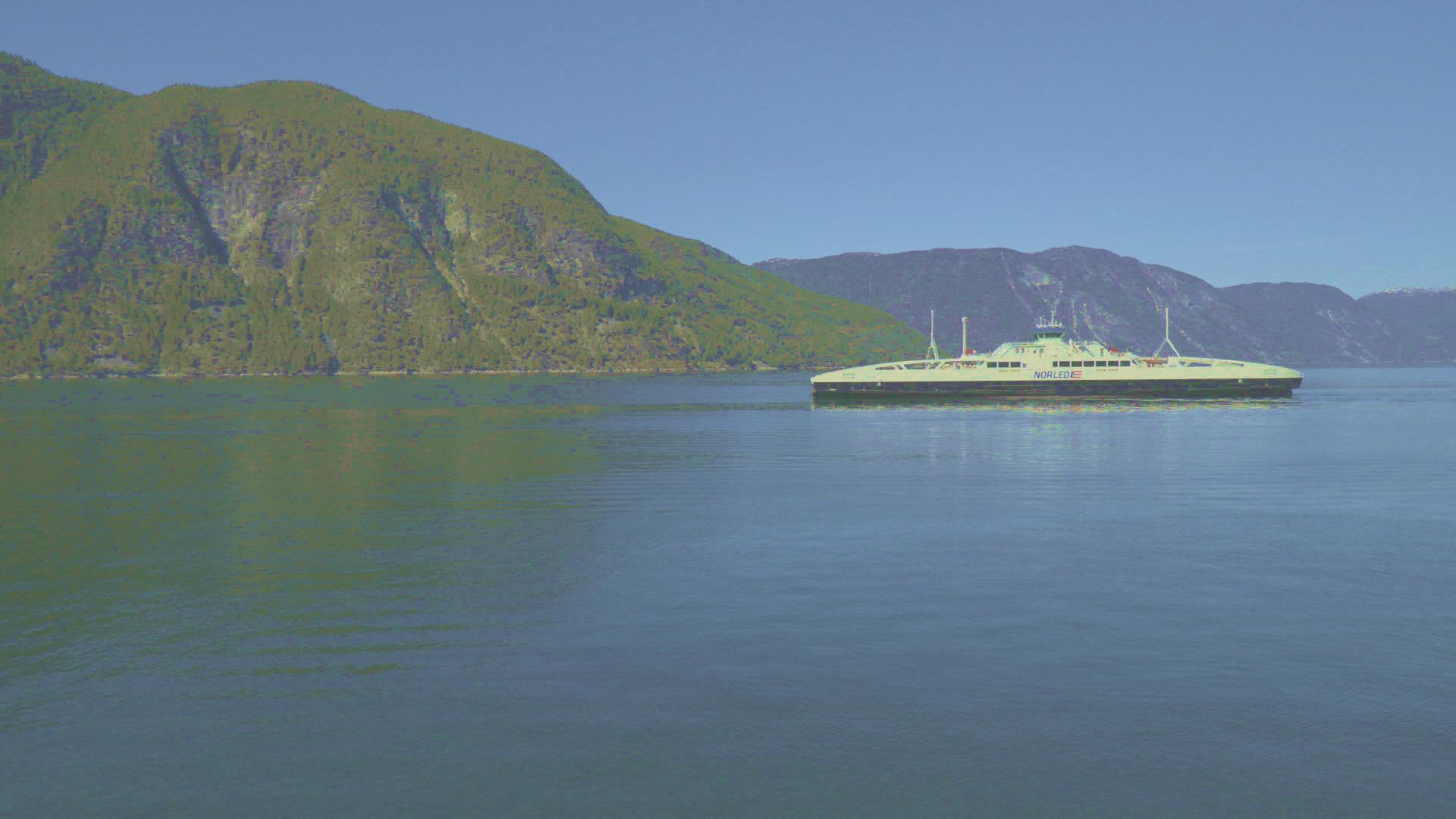
You can visit Frønningen on the summer ferry between Kaupanger and Gudvangen. It is a request stop, so make sure to arrange with the crew to be picked up on the return voyage. The painter Knut Rumohr from the owning family became nationally known, and there is a small gallery with his art. The old gate saw Gamle Sagi still stands, and sections of the timber chute are visible on the mountainside.
The Lem family bought the property in the 1620s. They were connected to the powerful Inger fra Austråt, one of the most influential women in 16th century Norway. The Lems ran sawmills here during the Dutch timber boom, processing pine from the enormous forest and sliding it down a timber chute from the 500-metre plateau to the fjord. At one point, six gate saws were running simultaneously. When the last Lem died without heirs, Jan Clausson Rumohr from Lærdal married into the family and took over. The Rumohr family still owns the estate today. Their manor house is visible from the fjord.
The history goes much deeper. A stone axe with a drilled handle hole was found here, dating to the late Stone Age or early Bronze Age, when farming first arrived. The oldest settlement is not down by the fjord but up on a plateau called Flata, 400 to 500 metres above the water, originally called Lagmannsås, named after a royal judge appointed by King Sverre. Three medieval farms existed here before the Black Death emptied them.
During the final weeks of World War II, the resistance group Siskin hid at Frønningen with its weapons arsenal. The isolation that made life difficult also made it a perfect hiding place.
You can visit Frønningen on the summer ferry between Kaupanger and Gudvangen. It is a request stop, so make sure to arrange with the crew to be picked up on the return voyage. The painter Knut Rumohr from the owning family became nationally known, and there is a small gallery with his art. The old gate saw Gamle Sagi still stands, and sections of the timber chute are visible on the mountainside.