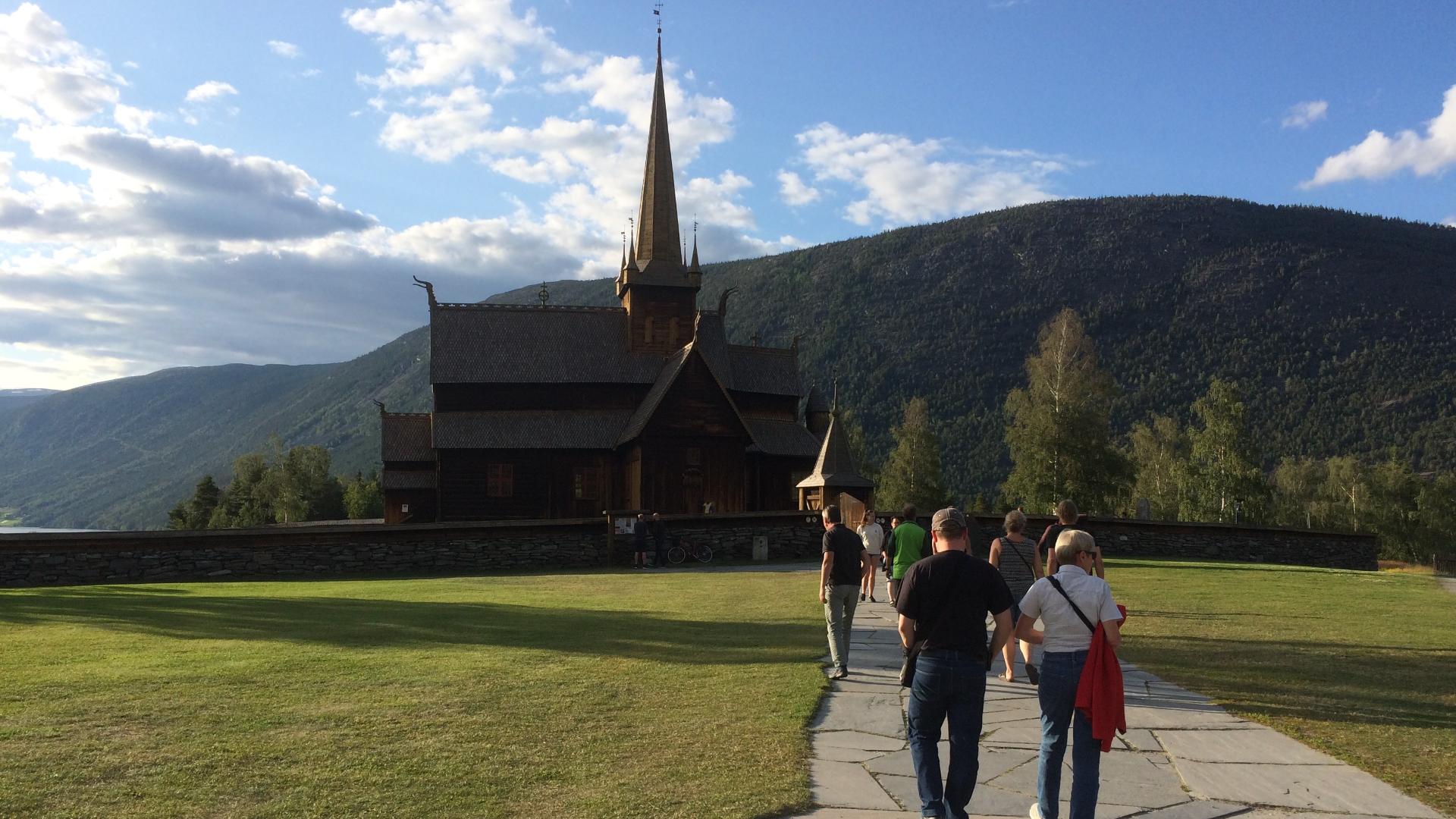
Dovrefjell-Sunndalsfjella is one of the largest protected areas on the Norwegian mainland: 4,367 square kilometres of alpine plateau, glacial valleys, and exposed ridges. The park was first established in 1974 and expanded twice, in 2002 and 2018. It protects Europe's most intact alpine ecosystem, with wild reindeer, wolverines, Arctic foxes, and the animal most people come here for: the musk ox.
The musk ox story is one of extinction and stubborn revival. These animals roamed Dovrefjell over 30,000 years ago alongside the woolly mammoth, then vanished during the last ice age. In 1913, two musk ox vertebrae turned up in a railway cutting at Innset, north of Oppdal, proof they once lived here. In 1932, ten animals from Greenland were released near Hjerkinn station. They bred, but none survived the war: German soldiers shot two males, Norwegians killed the rest, and some died in accidents. A second attempt between 1947 and 1953 brought 27 calves from Greenland. This time it worked. By 2019 the population had reached roughly 240 animals, though numbers fluctuate. About 50 calves are born each year.
Musk ox safaris run daily throughout summer, typically six-hour guided hikes departing from Hjerkinn or Kongsvoll. A few operators also offer winter excursions. A fully grown musk ox weighs up to 450 kilos and can charge at 60 km/h, so you do not want to approach one alone. Keep at least 200 metres distance if you encounter one without a guide. Despite its name and appearance, the musk ox is more closely related to sheep and goats than to cattle. The wool undercoat, called qiviut, is one of the warmest natural fibres in the world.
The musk ox story is one of extinction and stubborn revival. These animals roamed Dovrefjell over 30,000 years ago alongside the woolly mammoth, then vanished during the last ice age. In 1913, two musk ox vertebrae turned up in a railway cutting at Innset, north of Oppdal, proof they once lived here. In 1932, ten animals from Greenland were released near Hjerkinn station. They bred, but none survived the war: German soldiers shot two males, Norwegians killed the rest, and some died in accidents. A second attempt between 1947 and 1953 brought 27 calves from Greenland. This time it worked. By 2019 the population had reached roughly 240 animals, though numbers fluctuate. About 50 calves are born each year.
Musk ox safaris run daily throughout summer, typically six-hour guided hikes departing from Hjerkinn or Kongsvoll. A few operators also offer winter excursions. A fully grown musk ox weighs up to 450 kilos and can charge at 60 km/h, so you do not want to approach one alone. Keep at least 200 metres distance if you encounter one without a guide. Despite its name and appearance, the musk ox is more closely related to sheep and goats than to cattle. The wool undercoat, called qiviut, is one of the warmest natural fibres in the world.