Bodø is the largest town in the Salten region and the main transport hub of Northern Norway. This is where the Nordlandsbanen railway ends, where flights fan out across the north, and where the ferry to Lofoten departs. For many visitors, Bodø is a place to pass through. It deserves a closer look.
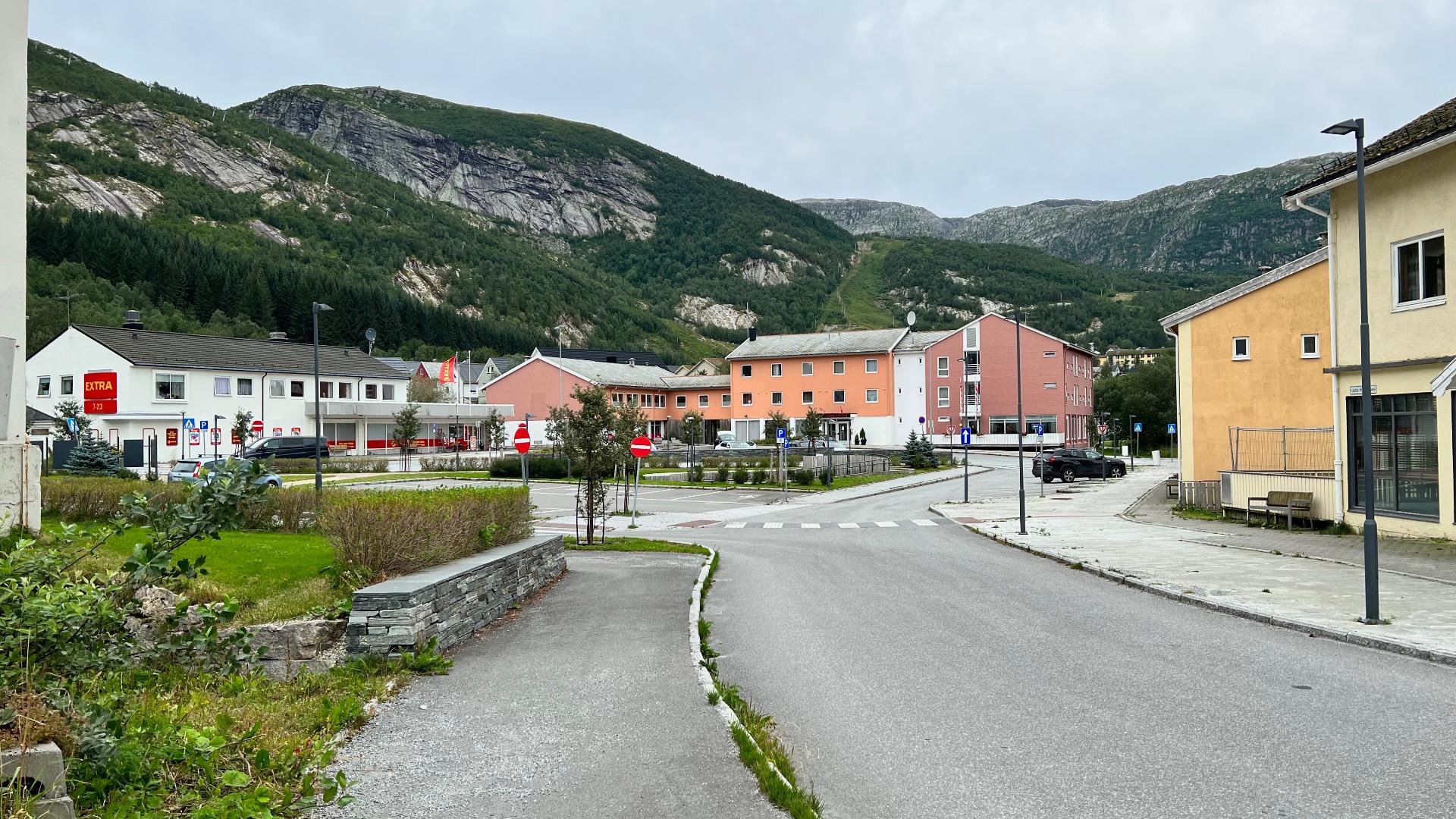
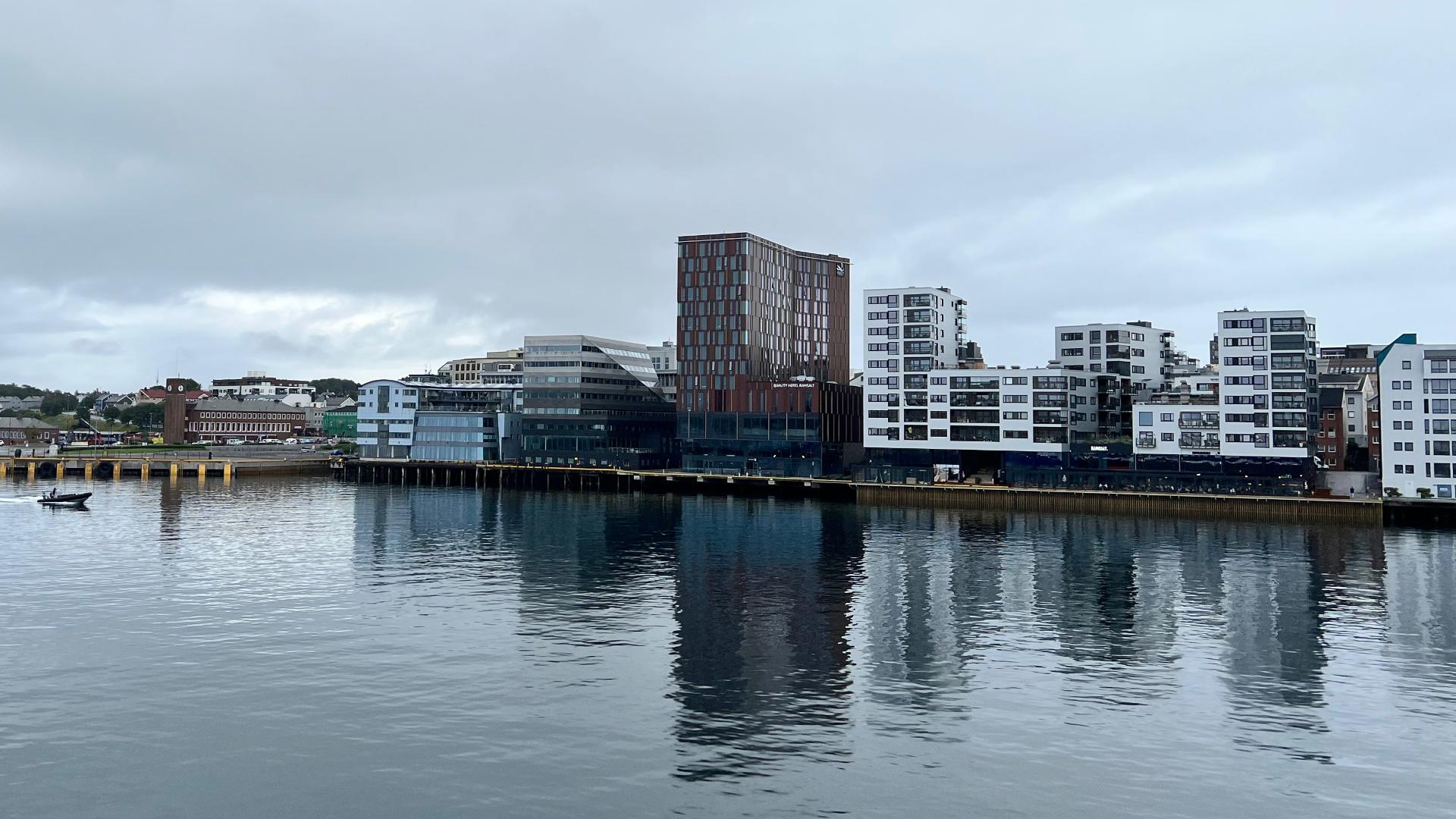
The town was almost completely destroyed by German bombing on 27 May 1940. Around 400 of 600 buildings were levelled, and half the population lost their homes. What stands today is the result of post-war rebuilding: wide streets, functional concrete architecture, and clear zoning. It is not a pretty town in the traditional Norwegian sense, but it has character, and the story of its destruction and reinvention is part of that.
In 2024, Bodø became the European Capital of Culture; the first city north of the Arctic Circle to hold the title. The year brought over a thousand cultural events and put the town on the international map in a new way.
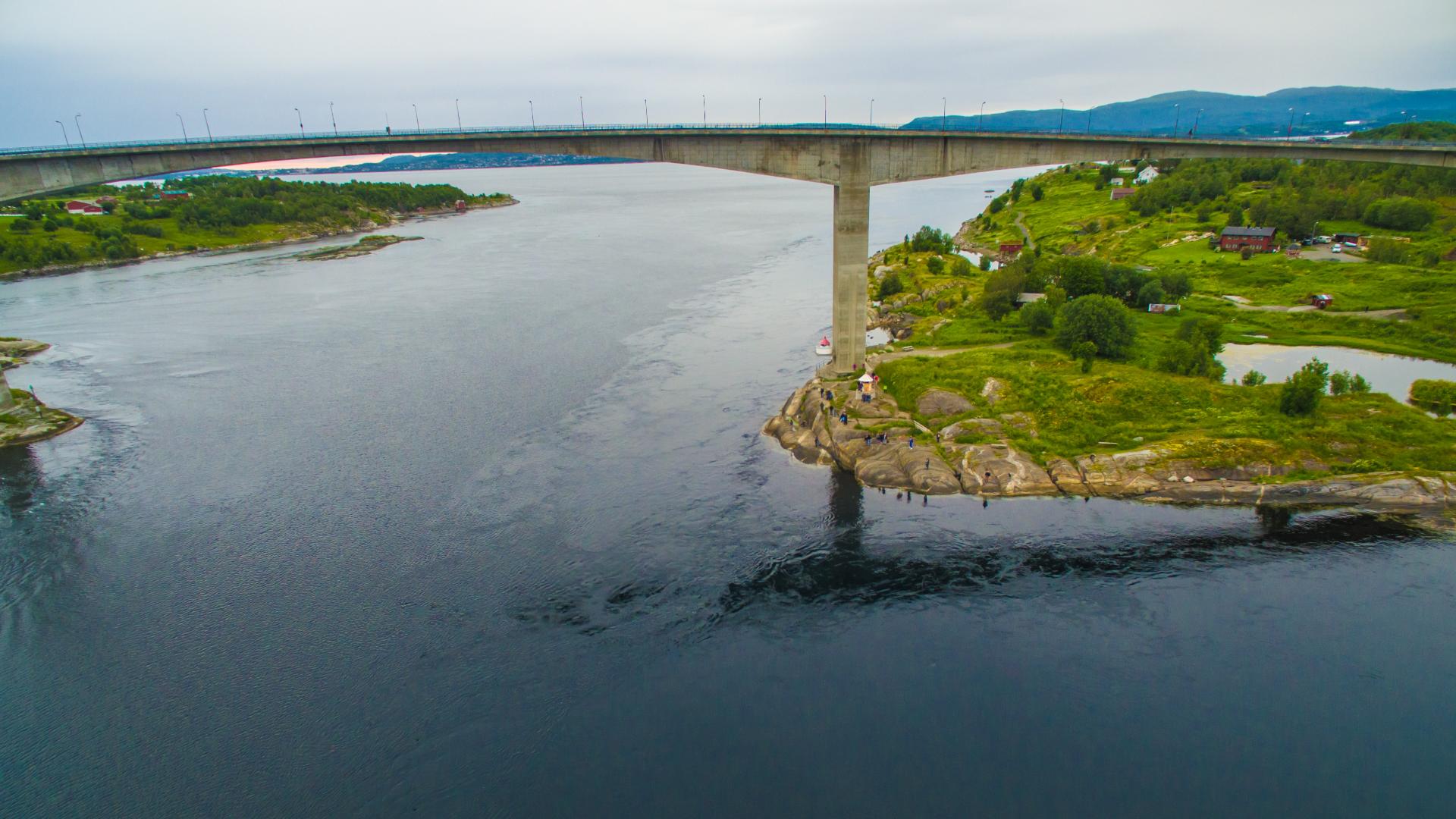
The most popular day trip is to Saltstraumen, about 30 minutes south of town. It is one of the strongest tidal currents in the world, with up to 400 million cubic metres of water forcing through a narrow strait four times a day. The whirlpools are dramatic, and the fishing is legendary.
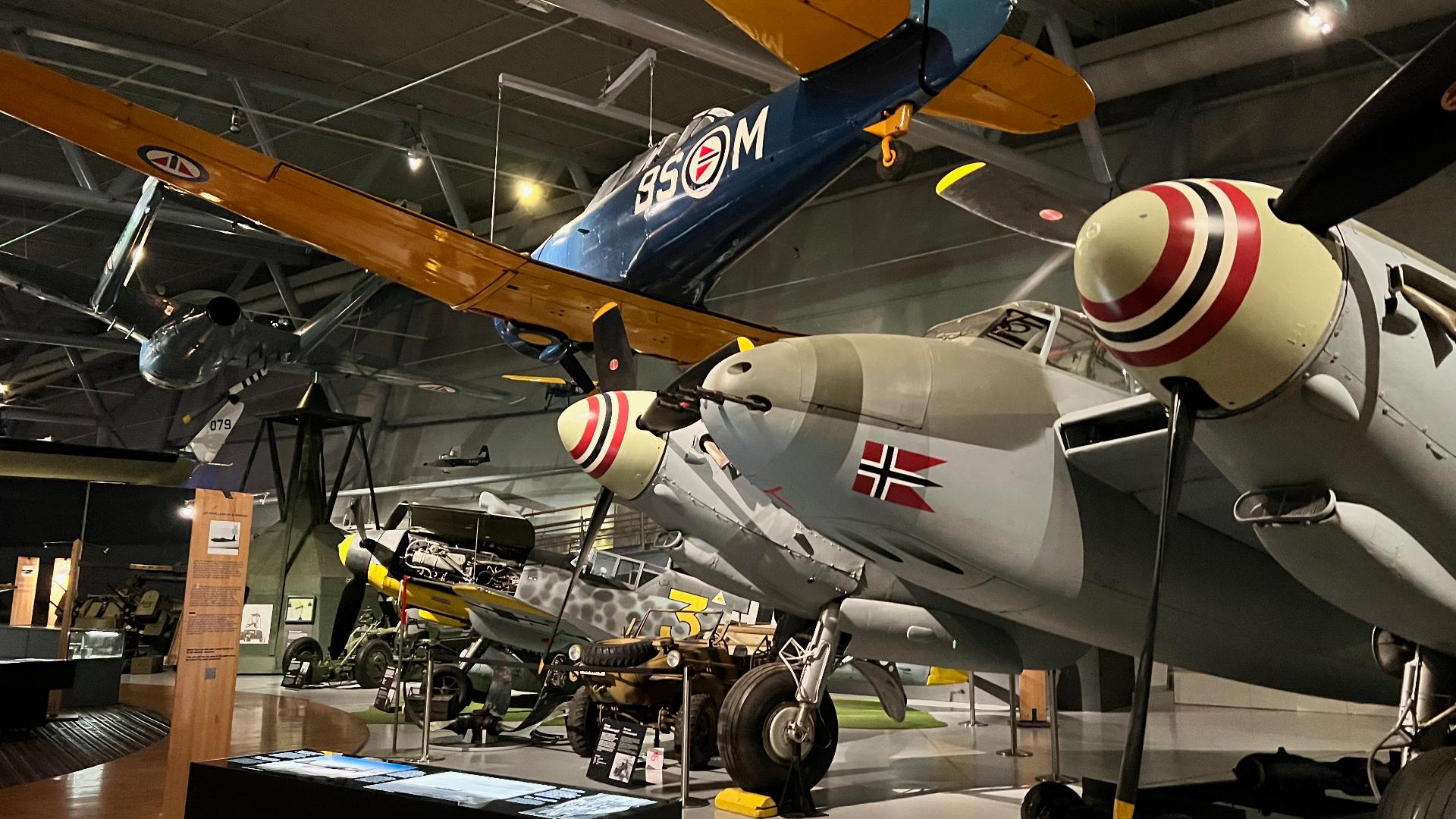
In town, the Norwegian Aviation Museum is worth a visit in its own right, particularly for the Cold War story of the U-2 spy planes that operated from Bodø. And Kjerringøy, a beautifully preserved 19th-century trading post about 40 minutes north, offers a glimpse of what the coast looked like before the bombs fell.
Bodø is the northern endpoint of the Kystriksveien (Route 17) and the Nordlandsbanen railway from Trondheim. The train journey is considered one of the most scenic in Norway.
The town was almost completely destroyed by German bombing on 27 May 1940. Around 400 of 600 buildings were levelled, and half the population lost their homes. What stands today is the result of post-war rebuilding: wide streets, functional concrete architecture, and clear zoning. It is not a pretty town in the traditional Norwegian sense, but it has character, and the story of its destruction and reinvention is part of that.
In 2024, Bodø became the European Capital of Culture; the first city north of the Arctic Circle to hold the title. The year brought over a thousand cultural events and put the town on the international map in a new way.
The most popular day trip is to Saltstraumen, about 30 minutes south of town. It is one of the strongest tidal currents in the world, with up to 400 million cubic metres of water forcing through a narrow strait four times a day. The whirlpools are dramatic, and the fishing is legendary.
In town, the Norwegian Aviation Museum is worth a visit in its own right, particularly for the Cold War story of the U-2 spy planes that operated from Bodø. And Kjerringøy, a beautifully preserved 19th-century trading post about 40 minutes north, offers a glimpse of what the coast looked like before the bombs fell.
Bodø is the northern endpoint of the Kystriksveien (Route 17) and the Nordlandsbanen railway from Trondheim. The train journey is considered one of the most scenic in Norway.