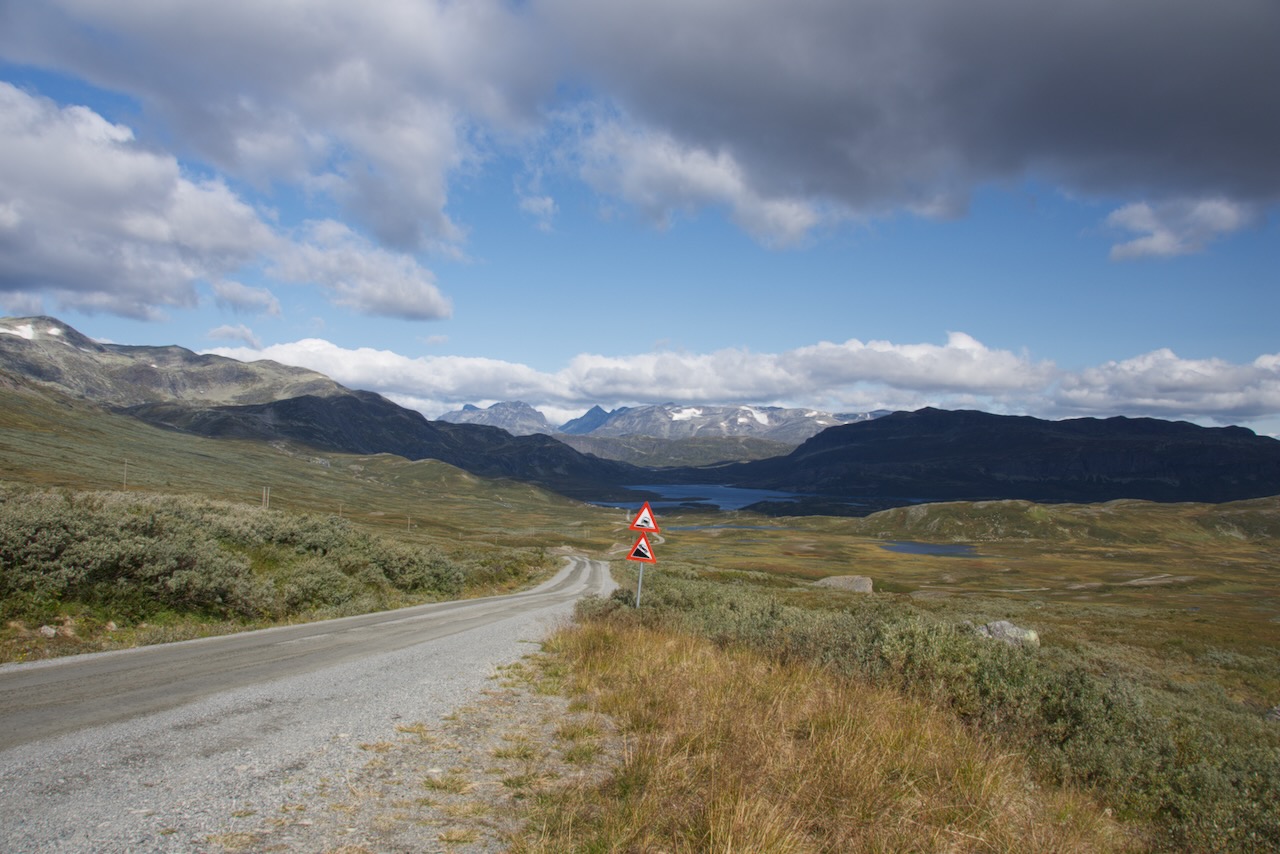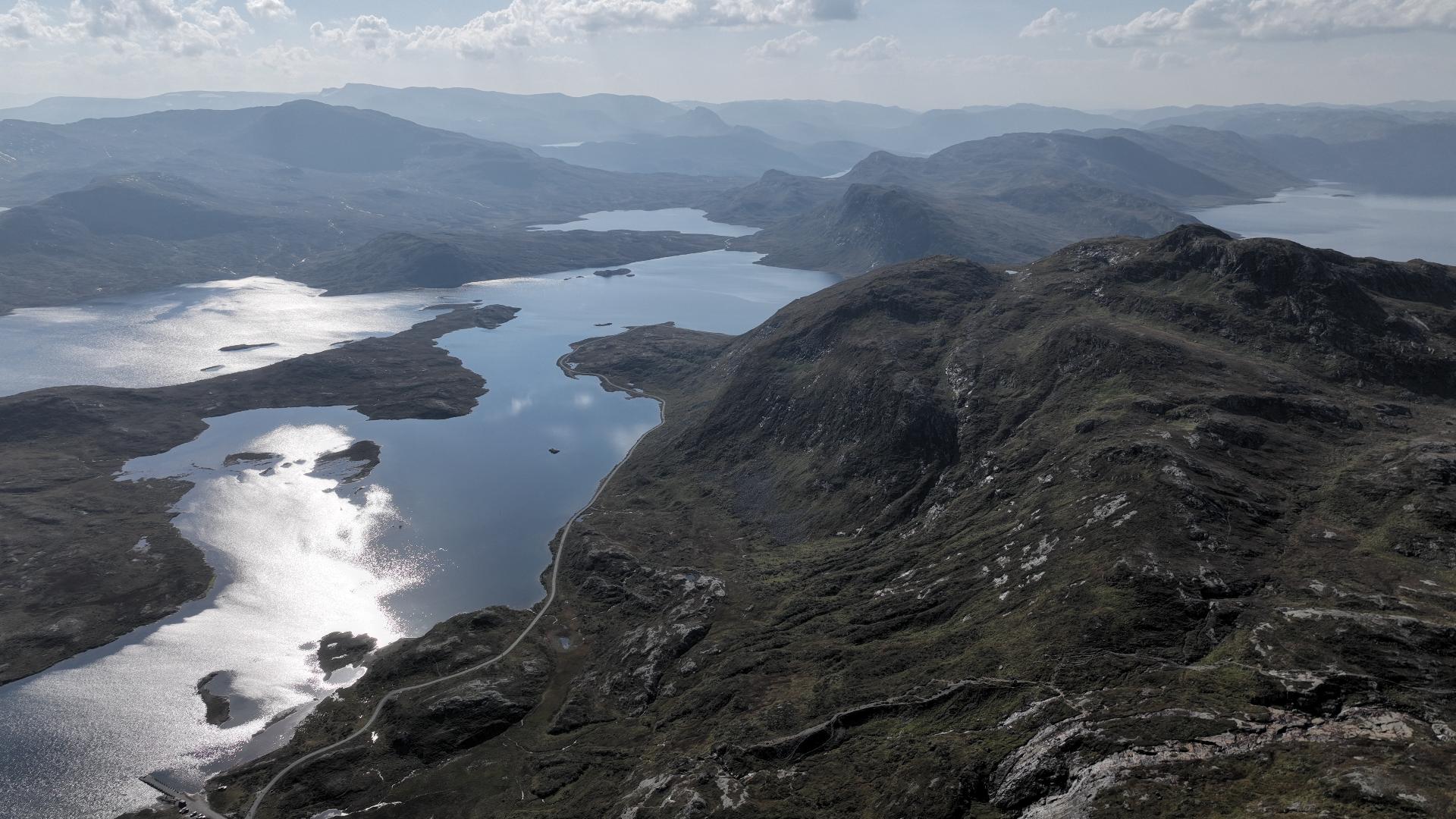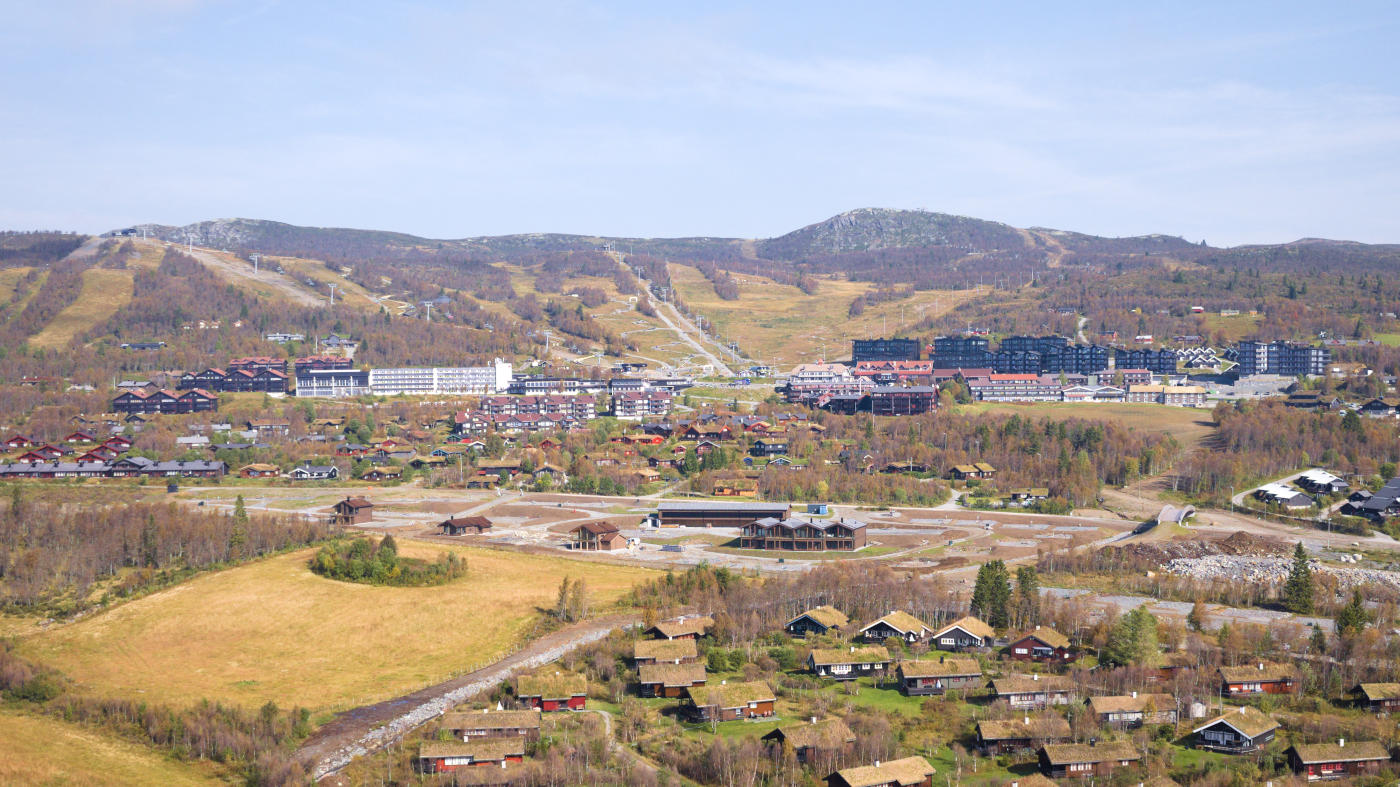
Beitostølen is one of Norway's top year-round mountain resorts, sitting at 900 metres above sea level on the edge of Jotunheimen. Around 340 people live here permanently, but the population swells dramatically at weekends and holidays. The name means "the summer pasture of Beito" - this was mountain grazing land before it became a ski destination. With 6-7 winter months per year, you have to really like snow to live here.
The development of Beitostølen is largely the story of two men. The first is Erling Stordahl, a blind musician who became Norwegian champion on accordion at 15 and recorded 120 songs with fellow blind musician Gunnar Engedahl. In 1953, Stordahl and his wife Anna built the house Bamseli here, becoming the first permanent residents. He started a ski course for blind people in 1962, then created Ridderrennet - the "Knight's Race" - in 1964, a cross-country ski race where blind participants share the track with sighted guides. This led to Beitostølen Helsesportsenter, a rehabilitation centre for people with disabilities that opened in 1970 and still operates today with around 120 staff. Stordahl received a state funeral when he died in 1994. The Lyskapellet, a small chapel built according to Anna and Erling's will, was consecrated in 2000 and stands near Bamseli, which is now a small museum about their lives.
The second is Steinar Hovi, born on a farm in nearby Rogne in 1939. After working as a ski instructor in Scotland and Austria, he returned home in 1965 and put up a sign saying "Ski School" at the bottom of the slope. Customers came, but they had no equipment - so he started renting skis. Then they needed ski clothes - so he opened a sports shop. He built cabins, bought hotels, and eventually acquired the ski lifts themselves. When he died in 2013, the company he founded - Beitostølen Resort - had over 2,500 beds. His sons Atle and Bjørnar now run it. A bronze statue of Steinar Hovi with skis stands outside the Radisson Blu hotel.
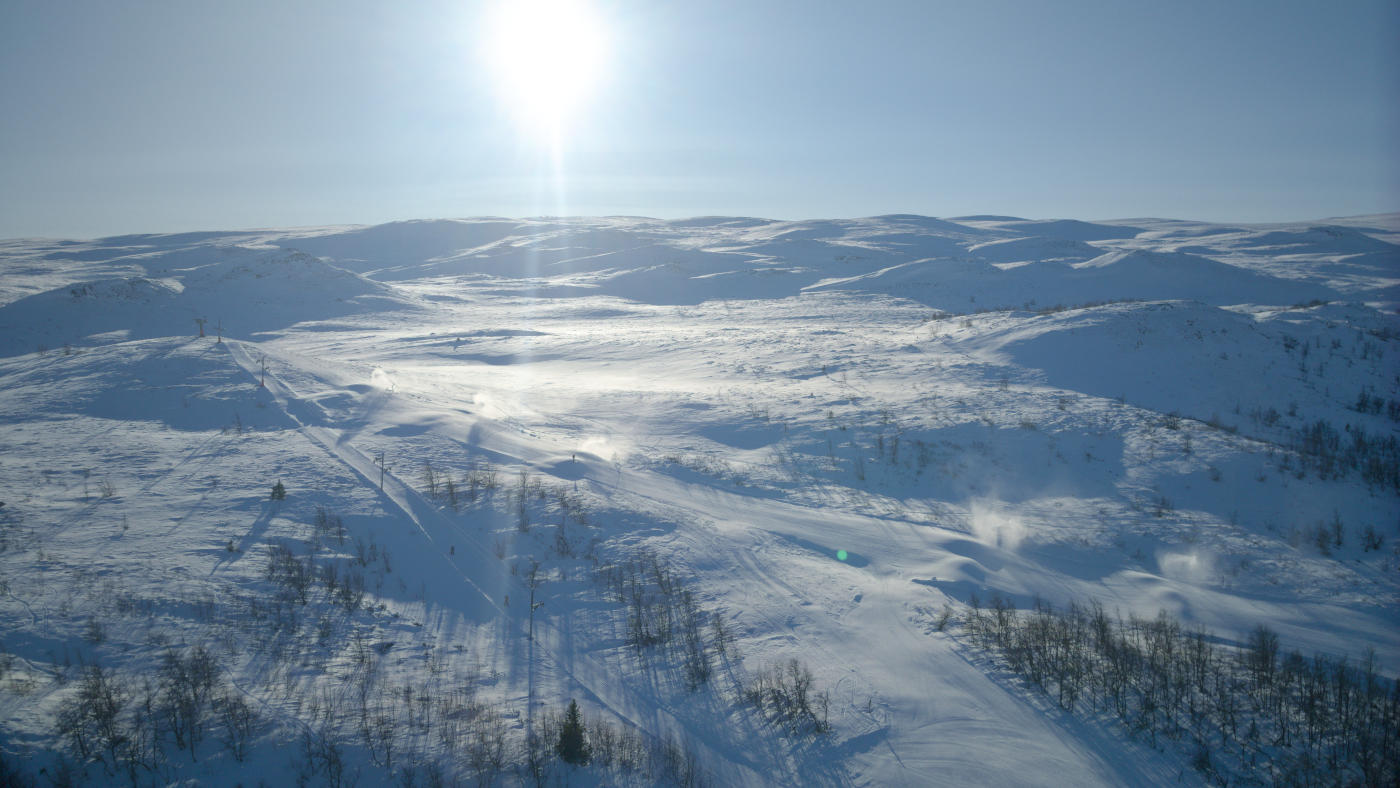
Today Beitostølen has two ski areas with 18 slopes and 320 kilometres of cross-country trails. It hosts the annual Beitosprinten season opener and has been a regular FIS Cross-Country World Cup venue since 1997.
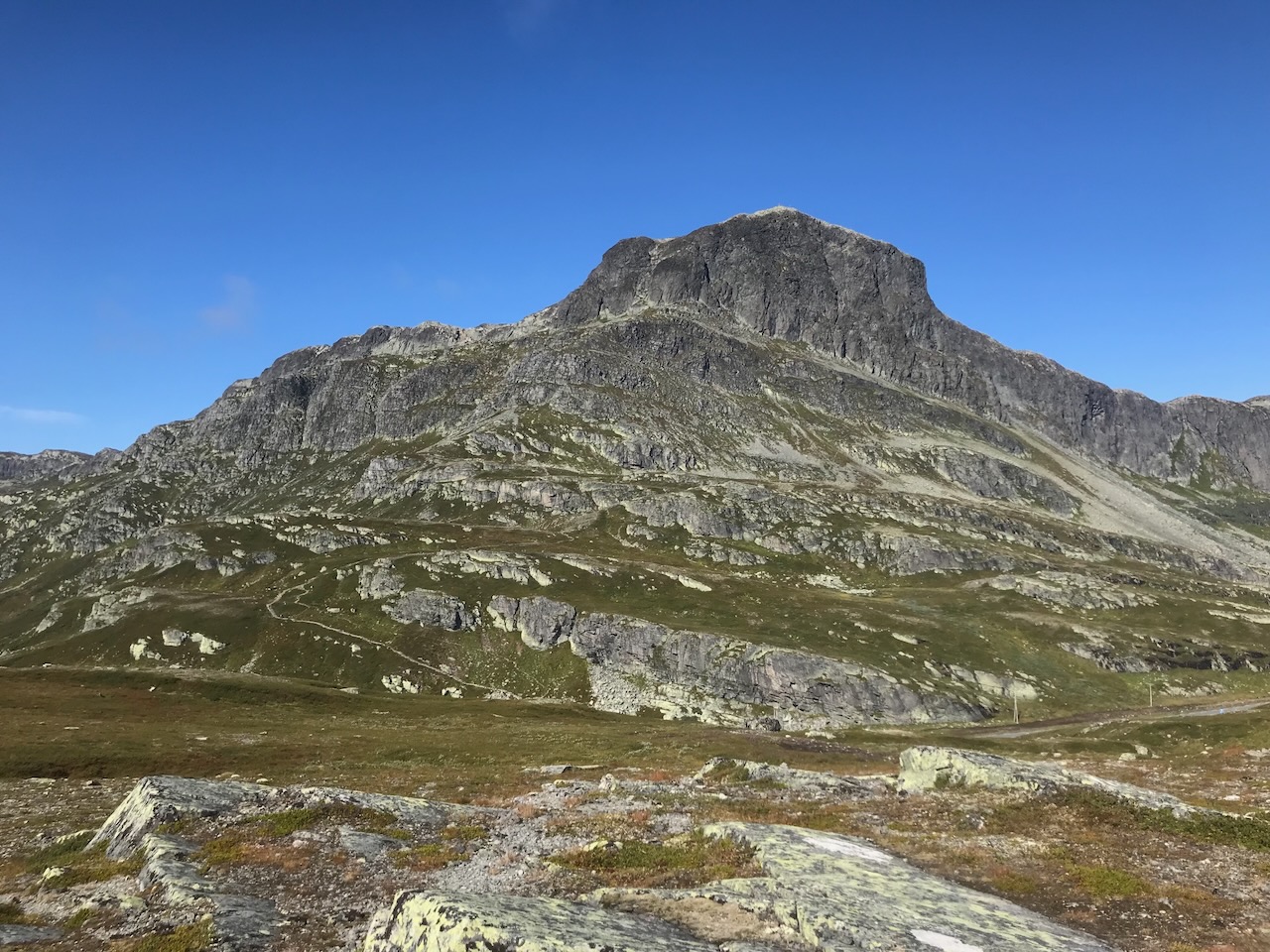
From here you can reach all the major hiking destinations in Jotunheimen, including Besseggen.
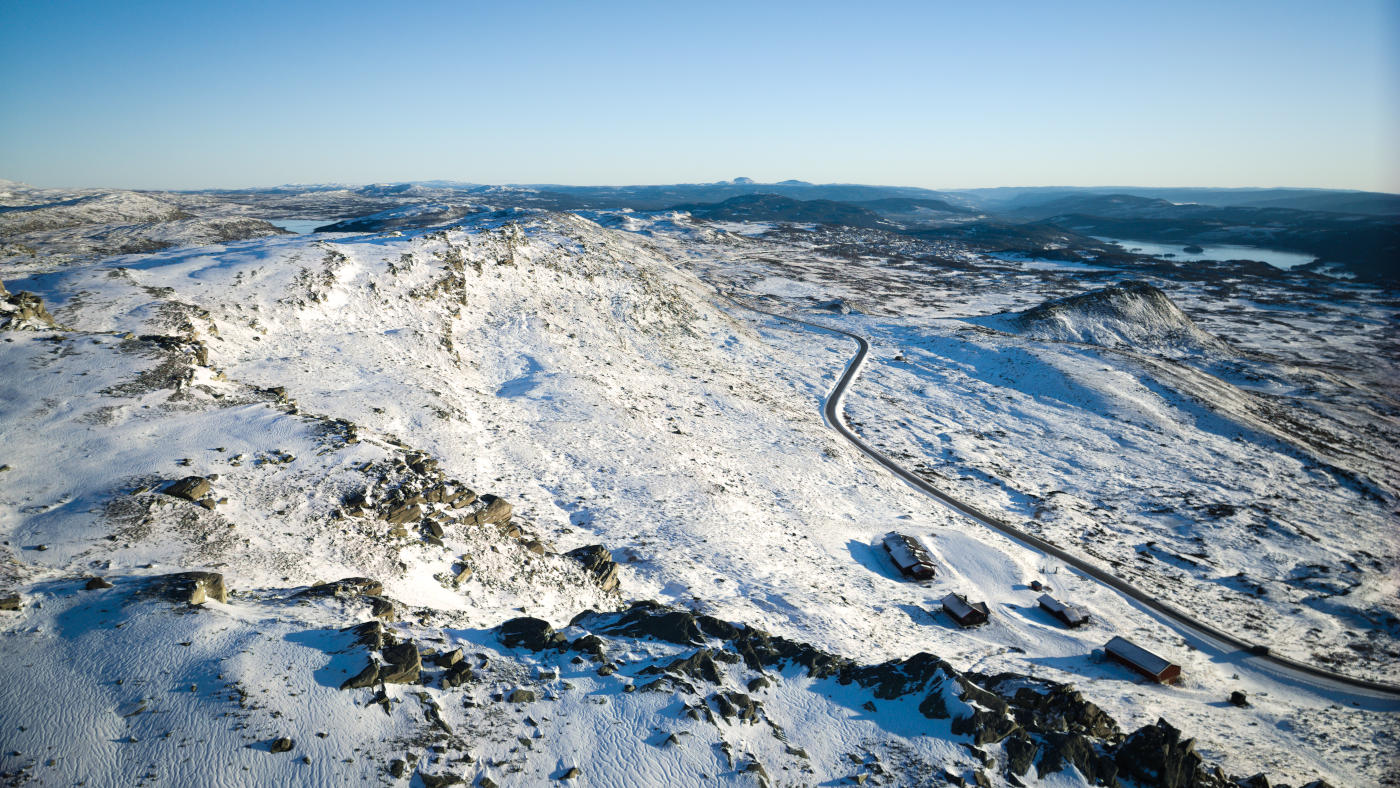
If you are driving and continuing over Valdresflye, fill up here. The fuel station is just outside the village and is the last one for 90 kilometres.
The development of Beitostølen is largely the story of two men. The first is Erling Stordahl, a blind musician who became Norwegian champion on accordion at 15 and recorded 120 songs with fellow blind musician Gunnar Engedahl. In 1953, Stordahl and his wife Anna built the house Bamseli here, becoming the first permanent residents. He started a ski course for blind people in 1962, then created Ridderrennet - the "Knight's Race" - in 1964, a cross-country ski race where blind participants share the track with sighted guides. This led to Beitostølen Helsesportsenter, a rehabilitation centre for people with disabilities that opened in 1970 and still operates today with around 120 staff. Stordahl received a state funeral when he died in 1994. The Lyskapellet, a small chapel built according to Anna and Erling's will, was consecrated in 2000 and stands near Bamseli, which is now a small museum about their lives.
The second is Steinar Hovi, born on a farm in nearby Rogne in 1939. After working as a ski instructor in Scotland and Austria, he returned home in 1965 and put up a sign saying "Ski School" at the bottom of the slope. Customers came, but they had no equipment - so he started renting skis. Then they needed ski clothes - so he opened a sports shop. He built cabins, bought hotels, and eventually acquired the ski lifts themselves. When he died in 2013, the company he founded - Beitostølen Resort - had over 2,500 beds. His sons Atle and Bjørnar now run it. A bronze statue of Steinar Hovi with skis stands outside the Radisson Blu hotel.
Today Beitostølen has two ski areas with 18 slopes and 320 kilometres of cross-country trails. It hosts the annual Beitosprinten season opener and has been a regular FIS Cross-Country World Cup venue since 1997.
From here you can reach all the major hiking destinations in Jotunheimen, including Besseggen.
If you are driving and continuing over Valdresflye, fill up here. The fuel station is just outside the village and is the last one for 90 kilometres.