Norway has its own space programme, and it started here. Andøya Space Centre sits just outside Andenes and specialises in launching sounding rockets. These are suborbital rockets used to study the upper atmosphere, particularly the Northern Lights.
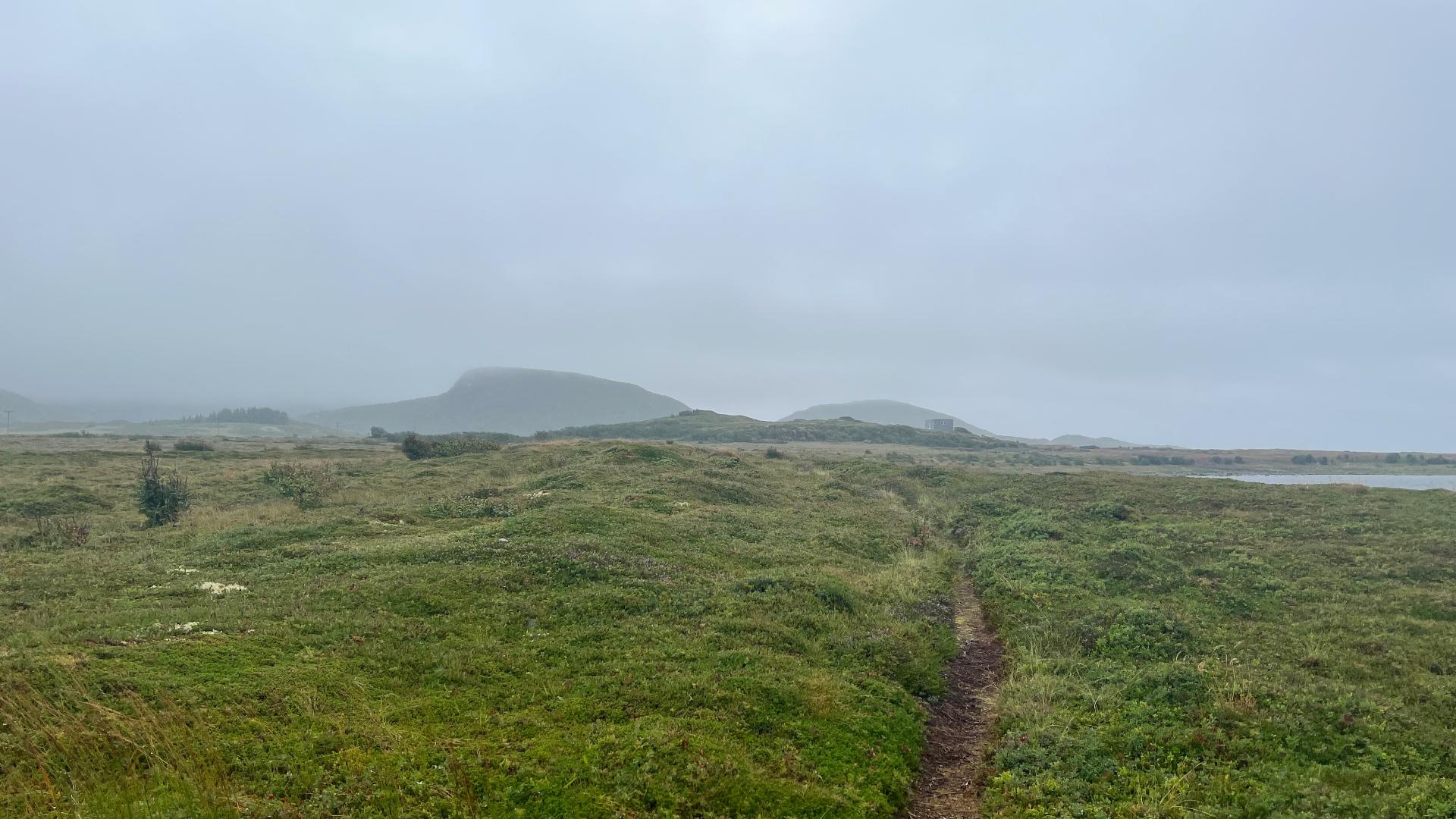
The history goes back to 1962, when Norway launched its first rocket, Ferdinand 1, becoming the fourth country to cross the Kármán line after Germany, the USA and the Soviet Union. They literally launched it from the middle of a field.
In 1995, a sounding rocket launch from here almost started World War 3. The Russian Air Force had been informed in advance, as with every launch, but the information was not passed on internally. President Boris Yeltsin activated his nuclear briefcase and began issuing launch codes. After a few tense minutes, it was realised the rocket was not heading towards Russia and the alarm was called off. It remains one of the closest calls of the nuclear age.
Today there are a few launch windows each year when several sounding rockets go up. You can watch from town, but launches do not happen during the summer tourist season. The centre also runs UAV operations, lidar and radar measurements for atmospheric research, and programmes for Norwegian university students.
For tourists there is a visitor centre with a behind-the-scenes tour option. The tour includes the control centre, but you do not get access to the actual launch pad, labs, or rocket storage. There is a small exhibition about space. The most interesting part is a film where pioneers from the 1960s tell how they got started. If you are already knowledgeable about space, the tour may feel basic.
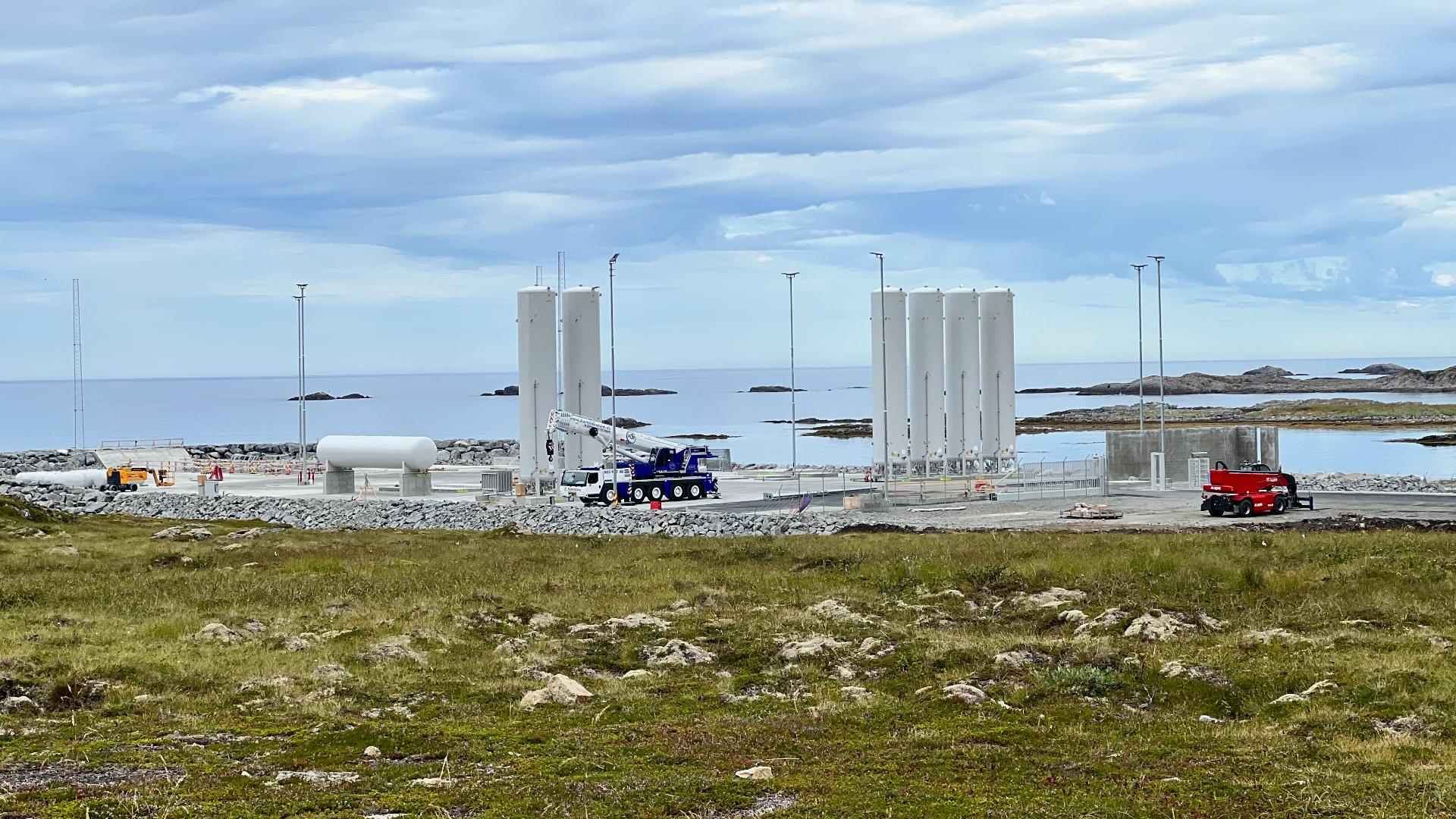
This is the original site near Andenes. The new orbital launch facility, Andøya Spaceport, is a separate site further south on the island.
The history goes back to 1962, when Norway launched its first rocket, Ferdinand 1, becoming the fourth country to cross the Kármán line after Germany, the USA and the Soviet Union. They literally launched it from the middle of a field.
In 1995, a sounding rocket launch from here almost started World War 3. The Russian Air Force had been informed in advance, as with every launch, but the information was not passed on internally. President Boris Yeltsin activated his nuclear briefcase and began issuing launch codes. After a few tense minutes, it was realised the rocket was not heading towards Russia and the alarm was called off. It remains one of the closest calls of the nuclear age.
Today there are a few launch windows each year when several sounding rockets go up. You can watch from town, but launches do not happen during the summer tourist season. The centre also runs UAV operations, lidar and radar measurements for atmospheric research, and programmes for Norwegian university students.
For tourists there is a visitor centre with a behind-the-scenes tour option. The tour includes the control centre, but you do not get access to the actual launch pad, labs, or rocket storage. There is a small exhibition about space. The most interesting part is a film where pioneers from the 1960s tell how they got started. If you are already knowledgeable about space, the tour may feel basic.
This is the original site near Andenes. The new orbital launch facility, Andøya Spaceport, is a separate site further south on the island.